
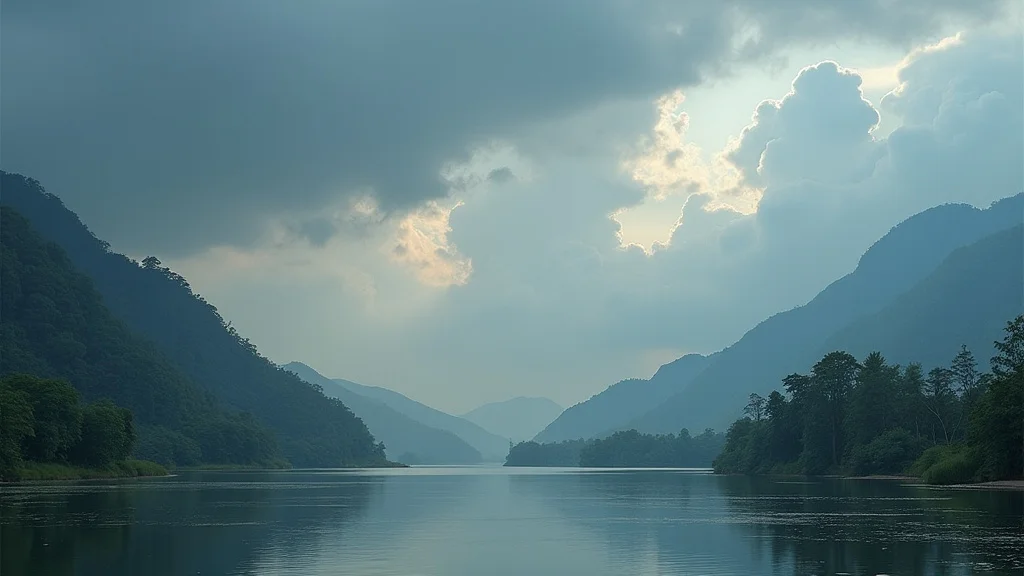
Picture this: you’re planning a trip to Sylhet, dreaming of lush landscapes and vibrant culture. But before you pack your bags, you check the weather Sylhet forecast, only to be met with a confusing jumble of numbers and symbols. Or maybe you’re a local, trying to decide if you need an umbrella today. This post aims to clear up the confusion and give you a complete picture of the weather Sylhet, helping you prepare for anything the day might bring. By the end, you’ll feel confident in making informed decisions about your activities, whether you’re a visitor or a resident.
Understanding Sylhet’s Climate
Sylhet, located in northeastern Bangladesh, enjoys a subtropical monsoon climate. This means it experiences distinct seasons influenced by the monsoon winds, which bring heavy rainfall. The climate is generally warm and humid throughout the year. The region is characterized by significant rainfall, particularly during the monsoon season. This high humidity is a key feature of the weather Sylhet, which influences everything from agriculture to daily life. The area’s proximity to the Indian border and its position in the Surma Valley contribute to its unique climate.
The Monsoon Season’s Influence
The monsoon season, typically running from June to September, brings the most significant changes to the weather Sylhet. Expect heavy rainfall, high humidity, and occasional flooding during this period. The Surma River and its tributaries often swell, affecting transportation and daily routines. The landscape transforms, becoming lush and green, but also presenting challenges for travel and outdoor activities. Remember to factor in the monsoon season when planning your visit, as it significantly impacts travel and exploration.
- Heavy Rainfall: Monsoon season features consistent, substantial rainfall, averaging the highest monthly rainfall of any time of year. This can disrupt transportation and outdoor activities. Be prepared for potential flooding in low-lying areas, with frequent, intense downpours.
- High Humidity: The humidity skyrockets during the monsoon, making the air feel thick and sticky. This influences comfort levels and can affect clothing choices. Remember to drink plenty of water to stay hydrated.
- Flooding Risk: The Surma River and its tributaries are prone to flooding during the monsoon. Check local news and warnings for potential disruptions and safety advice. Prepare for possible waterlogged roads and altered travel plans.
- Green Landscape: The heavy rainfall dramatically transforms the environment, creating a vibrant green landscape. This can be perfect for scenic beauty and photographing, but also brings mosquitos and other issues. Enjoy the lush scenery, but take precautions against insects.
The Dry Season’s Characteristics
The dry season, usually spanning from November to February, offers a welcome respite from the monsoon’s intensity. The weather Sylhet during this time is generally pleasant, with lower humidity and temperatures. The region experiences reduced rainfall, making it ideal for outdoor activities and travel. The days are sunny, and the evenings are cool. This period provides an opportunity to enjoy the natural beauty of Sylhet without the challenges of the monsoon. Visitors can explore the tea gardens, visit local attractions, and experience the cultural life more comfortably.
- Lower Humidity: Expect significantly lower humidity levels, creating a more comfortable environment. This is a welcome change from the monsoon season’s stickiness. The drier air makes outdoor activities more enjoyable.
- Reduced Rainfall: The dry season experiences considerably less rainfall, making travel and outdoor activities easier. You can plan trips and events without worrying too much about rain. The skies are typically clear, providing beautiful views.
- Pleasant Temperatures: The temperatures are mild during the dry season, making it comfortable to explore Sylhet. The average temperatures range from 15-25 degrees Celsius (59-77 degrees Fahrenheit). You can pack lighter clothes without fearing the cold.
- Ideal for Travel: The dry season is ideal for visitors, as it offers the best conditions for exploring the region. You can easily visit the tea gardens and local areas. Remember to plan your travel during this time for a smooth journey.
Transition Seasons and Their Impacts
The transition seasons, the periods between the monsoon and dry seasons, represent phases of change in the weather Sylhet. These are times when the climate shifts. Pre-monsoon, from March to May, sees a gradual increase in temperature and humidity, with the occasional thunderstorms that announce the coming monsoon. Post-monsoon, in October and November, sees a gradual decrease in both, and the climate becomes milder. Understanding these transitions is key to planning for varied weather conditions.
- Pre-Monsoon (March-May): Temperatures and humidity increase as the monsoon approaches. You might experience occasional thunderstorms, which can be intense but usually short-lived. Prepare for hotter conditions.
- Post-Monsoon (October-November): Temperatures and humidity gradually drop, and the weather becomes milder. The rainfall decreases. It’s a pleasant time with clearer skies and comfortable temperatures.
- Unpredictable Weather: These transition months often bring unpredictability in weather patterns. Be prepared for sudden changes, with rain or sunshine possible on any given day. Check the forecast before planning any outdoor event.
- Adapting Plans: It’s important to adapt your plans based on the changing weather conditions. Carry an umbrella or light rain gear and stay updated on the forecast. Enjoy the diverse weather patterns, but be flexible with your activities.
Understanding Weather Forecasting for Sylhet
Accurate weather forecasts are essential for planning activities and staying safe in Sylhet. Various sources provide forecasts, including both local and international weather services. To make informed decisions, you need to understand how these forecasts work. The details provided by forecasts range from temperature and humidity to rainfall probability. This information will help you to anticipate and prepare for the weather Sylhet and its impacts on your daily life.
Sources for Weather Information
Several sources can provide you with reliable weather Sylhet updates. These include local news channels, online weather portals, and international forecasting services. Familiarize yourself with the resources that offer the most accurate and up-to-date information. Comparing forecasts from different sources can give you a more comprehensive understanding of the likely weather conditions. Reliable sources will help you adjust your plans effectively.
- Local News: Local news channels and websites usually provide daily weather reports. They often have the most up-to-date, localized information, including warnings of severe weather conditions. Staying informed through local media keeps you in the loop.
- Online Weather Portals: Many websites, such as AccuWeather, Weather.com, and others, provide detailed forecasts for Sylhet. They offer hourly, daily, and weekly forecasts, including temperature, humidity, and rainfall predictions.
- International Forecasting Services: Services like the National Weather Service (NWS) and the World Meteorological Organization (WMO) also provide forecasts. They often offer a broader perspective and can forecast broader patterns that influence local weather.
- Reliable Apps: Many weather apps are available for smartphones, offering real-time weather updates. These apps typically provide notifications about any extreme conditions, like thunderstorms, or high winds. Choose apps that you can trust.
Interpreting Forecasts and Data
Weather forecasts provide different types of data, and it’s important to know how to read and interpret them. Temperature, humidity, and precipitation are standard components of any forecast. Understanding these elements, as well as the meaning of different forecast symbols, helps you to interpret the weather Sylhet and make informed decisions. Consider all the information when planning activities for your day.
- Temperature: Forecasts usually include both high and low temperatures for a specific period. This helps you to plan clothing choices and outdoor activities accordingly. Always check the temperature range.
- Humidity: The forecast will also indicate the humidity level, which significantly impacts how the weather feels. High humidity can make it feel hotter than the actual temperature, so it’s something to watch.
- Precipitation Probability: This refers to the likelihood of rain. Understand the percentage provided to assess the risk of rainfall and the need to adjust your plans. Higher percentages indicate a greater chance of rain.
- Wind Speed and Direction: Wind information can impact outdoor activities and comfort levels. It’s important to know the speed and the direction of the wind to plan for things like travel and outdoor events.
Preparing for Changing Conditions
The weather Sylhet can change rapidly, particularly during the monsoon and transition seasons. Preparing for these changing conditions requires awareness and adaptability. Knowing how to pack the right items and how to make adjustments to your plans is vital. Consider the season and be ready to adapt to sudden changes to stay comfortable and safe. Being prepared and flexible will make your experience more enjoyable.
- Pack Appropriately: Pack clothes that are suitable for both hot and humid weather, such as lightweight, breathable fabrics. Always carry rain gear, such as an umbrella or raincoat, especially during the monsoon season. Packing the proper items will keep you prepared.
- Check Forecasts Daily: Check the daily forecast regularly to stay informed about any upcoming changes. This allows you to adjust your plans as necessary. This small step helps you avoid surprises.
- Have a Backup Plan: Always have a backup plan for outdoor activities, especially during the rainy season. This may include visiting indoor attractions or postponing activities until the weather improves.
- Stay Informed: Subscribe to weather alerts from reliable sources, like local news channels or weather apps. They can provide timely warnings for severe weather, such as heavy rain or thunderstorms.
Weather’s Effect on Daily Life in Sylhet
The weather Sylhet plays a key role in influencing several aspects of daily life. This includes everything from agriculture and transportation to leisure activities. The climate’s characteristics, especially the monsoon season’s impact, shape how people live and work. Understanding this influence helps locals and visitors alike to appreciate the region’s climate’s importance.
Impact on Agriculture and Farming
Agriculture is a key sector in Sylhet, and the weather Sylhet has a direct effect on crop yields and farming practices. Rainfall patterns, temperature, and humidity influence the planting, growth, and harvesting of various crops. Farmers carefully watch the forecasts and adjust their activities accordingly. Proper management helps them to manage yields and ensure food security in the region.
- Rice Cultivation: Rice is a key crop in Sylhet, and the monsoon season supports its growth. Adequate rainfall is essential for rice cultivation, which impacts yields. Overflooding or droughts can affect production.
- Tea Plantations: Sylhet is famous for its tea gardens, and the weather significantly affects tea production. The ideal conditions include a balance of sunshine, rain, and humidity. These influence the quality and quantity of the tea.
- Seasonal Crops: Other seasonal crops, like vegetables and fruits, also depend on the seasonal weather. Farmers must adjust their planting and harvesting schedules. Weather influences the timing for the best yields.
- Irrigation Needs: During drier periods, irrigation becomes essential to support crop growth. Farmers must manage water resources. Proper techniques and access to water influence agricultural output.
Transportation Challenges and Solutions
The monsoon season can pose transportation challenges due to flooding and landslides. Roads, bridges, and other infrastructures can get damaged. These issues cause delays and difficulties for travel in the region. Improving infrastructure, and planning travel effectively, are required for managing transportation challenges during this time.
- Road Closures: Heavy rainfall can cause road closures due to flooding or landslides. Always check local news and traffic updates before traveling, especially during the monsoon season. Roads are often affected by the rain.
- Flooding Disruptions: Flooding can also disrupt public transportation, like buses and trains. Transportation modes might be limited or delayed. Have alternative plans in case of disruptions.
- Water Transportation: In some areas, water transportation becomes the main mode of travel during the monsoon. Understanding how to travel by boat and planning accordingly is helpful. This can include navigating the local rivers.
- Infrastructure Improvements: Ongoing efforts to improve road and bridge infrastructure play an important part in easing transportation challenges. These kinds of infrastructure improvements help to ensure better and safer travel.
Impact on Recreation and Leisure Activities
The weather Sylhet significantly influences recreational and leisure activities. The dry season provides the best opportunity for outdoor activities, like visiting tea gardens or exploring local attractions. The monsoon season presents the need to adjust activities. Planning for indoor options, like cultural centers and museums, is often necessary.
- Outdoor Activities: During the dry season, you can enjoy outdoor activities such as visiting tea gardens or hiking in the hills. Clear skies and mild temperatures make the climate ideal for this.
- Indoor Alternatives: During the monsoon season, indoor activities, such as visiting museums, cultural centers, or enjoying local cuisine, can be more suitable. This offers alternative activities.
- Water Sports: Consider water sports or boat rides. However, always exercise caution and check weather conditions before engaging in these. These types of activities require careful planning.
- Cultural Events: Many cultural events are planned throughout the year. But these may be affected by the weather. Ensure you check for any changes to schedules, especially during the rainy season.
Frequently Asked Questions
Question: When is the best time to visit Sylhet?
Answer: The best time to visit Sylhet is during the dry season, from November to February, when the weather is mild, humidity is low, and there is less rainfall, which makes it ideal for exploring the region.
Question: How can I prepare for the monsoon season in Sylhet?
Answer: Pack lightweight, quick-drying clothing, and waterproof gear like raincoats and umbrellas. Stay updated on weather forecasts and be prepared for potential transportation disruptions and flooding.
Question: What is the average temperature in Sylhet?
Answer: The average temperature in Sylhet ranges from 20 to 30 degrees Celsius (68 to 86 degrees Fahrenheit) throughout the year, with variations depending on the season.
Question: What type of clothing should I wear in Sylhet?
Answer: Wear lightweight, breathable clothing made of cotton or linen to stay comfortable in the humid climate. During the monsoon, bring waterproof gear. Choose comfortable footwear that’s suitable for walking and can withstand rain.
Question: Where can I find reliable weather forecasts for Sylhet?
Answer: Reliable weather forecasts can be found from local news channels, online weather portals like AccuWeather and Weather.com, and weather apps on your smartphone.
Final Thoughts
Understanding the weather Sylhet is essential for anyone who lives in or plans to visit the area. From the heavy rainfall of the monsoon to the pleasant dryness of the winter months, Sylhet’s climate offers a dynamic and engaging experience. Knowing the details about the local forecasts and how to interpret them, you’re set to make informed plans, ensuring you can make the most of your time in this beautiful region. Whether you’re a local resident navigating daily life or a traveler preparing for your trip, the knowledge you’ve gained can help you. Stay informed, stay safe, and be prepared to embrace the unique characteristics of the weather Sylhet. Be ready to enjoy this place by planning for the conditions, whether it be sunshine or rain.