
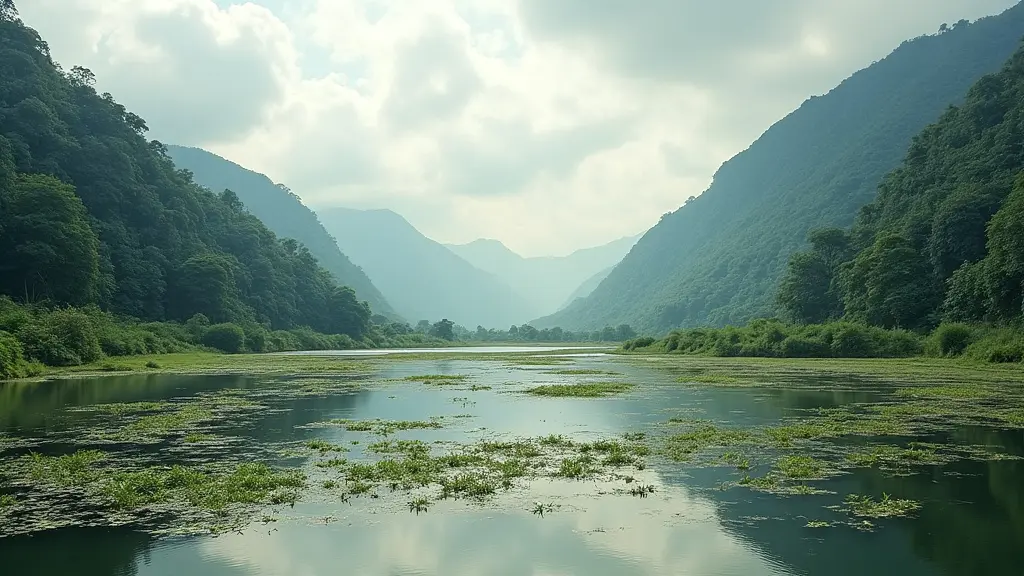
Remember that scorching day last summer when you were caught off guard by a sudden downpour? Or that time you packed for a trip and completely misjudged the temperature? Predicting the Bangladesh weather Sylhet is like that! It can be tricky. This guide cuts through the confusion, providing clear, easy-to-grasp information about the climate in Sylhet. You’ll learn the best times to visit, what to pack, and how to prepare for the local conditions. This will help you make informed decisions, enhance your trip, and stay comfortable, increasing your visit’s enjoyment.
Understanding Sylhet’s Climate: A Seasonal Overview
Sylhet, located in northeastern Bangladesh, boasts a subtropical climate. This means it experiences distinct seasons influenced by the monsoon winds. The region’s geography, with its hills and valleys, also plays a part in shaping its weather. Factors like proximity to the Indian border and the lush green landscape contribute to high humidity levels throughout much of the year. This influences everything, from agriculture to how residents and visitors experience their days. Sylhet isn’t just about sunshine and rain; it is a blend of the elements.
The Monsoon Season: Rain and Its Impact
The monsoon season in Sylhet typically spans from June to October. During this period, the region receives a significant amount of rainfall, often exceeding 3,000 millimeters annually. This heavy downpour is crucial for agriculture, particularly rice cultivation, but it can also lead to challenges. Roads may flood, transportation can be disrupted, and everyday activities are affected. Despite the inconveniences, the monsoon also rejuvenates the landscape, turning it vibrant green and offering a unique charm to the area. It is a time when the rivers swell, and nature thrives.
- Heavy Rainfall: Expect intense rain, often lasting for hours or even days. This rainfall is the primary characteristic of the monsoon.
- Flooding: Low-lying areas and riverbanks are prone to flooding, affecting travel and daily life.
- High Humidity: The air becomes extremely humid, making it feel even hotter than the actual temperature.
- Greenery: The monsoon revitalizes the landscape, turning it into a lush, green paradise.
The Dry Season: Sunshine and Mild Temperatures
The dry season, from November to March, offers a welcome respite from the monsoon’s intensity. Temperatures are generally mild, with lower humidity, creating ideal conditions for outdoor activities and travel. The skies are usually clear, and the sun shines brightly. This period is the most popular time for tourists to visit Sylhet. It provides an opportunity to explore the area’s natural beauty comfortably. During this time, the region experiences a different charm from the monsoon. The dry season brings its own set of experiences for both residents and visitors.
- Pleasant Temperatures: The weather is generally cool, with average temperatures ranging from 20°C to 28°C.
- Low Humidity: The air is less humid, making the climate more comfortable.
- Clear Skies: Expect bright sunshine and clear skies, perfect for outdoor exploration.
- Ideal for Tourism: This is the peak season for tourism in Sylhet, with many travelers visiting.
The Pre-Monsoon Season: Transition and Rising Temperatures
The pre-monsoon season, from April to May, is a transitional period marked by rising temperatures and increasing humidity. The weather becomes warmer, and occasional thunderstorms may occur, signaling the approaching monsoon. This time can be unpredictable, with sudden changes in weather conditions. It is a period when the landscape prepares for the heavy rains. It is a time when planning for potential rain and heat fluctuations becomes important.
- Rising Temperatures: Expect a gradual increase in temperature as the season progresses.
- Increasing Humidity: Humidity levels rise, making the air feel sticky and uncomfortable.
- Thunderstorms: Occasional thunderstorms and erratic rainfall become common.
- Transitional Period: A time between the dry season and the monsoon, with fluctuating weather patterns.
Planning Your Trip: Best Times and What to Bring for Sylhet
To have a fantastic experience in Sylhet, careful planning based on the Bangladesh weather Sylhet is key. The best time to visit is during the dry season, from November to March, when the weather is mild and pleasant. However, the monsoon season, although challenging, offers a different perspective of the area, with lush landscapes and fewer crowds. Consider the activities you want to do and pack accordingly to ensure you are ready for any weather condition. Whether you choose to visit during the dry or wet season, it is essential to plan to experience the best Sylhet offers.
Best Times to Visit and Considerations
The dry season, from November to March, is the peak tourist season in Sylhet. This period offers ideal weather conditions, making it perfect for exploring the region’s natural attractions. The pre-monsoon season (April-May) can be pleasant but unpredictable, with rising temperatures and occasional rainfall. The monsoon season (June-October) brings heavy rainfall, which can disrupt travel and daily activities, although it transforms the area into a lush paradise. Planning your visit around these seasonal patterns will ensure a more enjoyable experience.
- Dry Season (November-March): Ideal weather, clear skies, and pleasant temperatures for sightseeing.
- Pre-Monsoon (April-May): Rising temperatures and occasional thunderstorms; a transition period.
- Monsoon (June-October): Heavy rainfall; travel disruptions but lush scenery.
- Consider your interests: Decide if you prefer pleasant weather or the unique beauty of the rainy season.
Packing Essentials for Sylhet Weather
Packing appropriately for the Bangladesh weather Sylhet is important for comfort and safety. During the dry season, light, breathable clothing, sun protection, and insect repellent are essential. During the monsoon, rain gear, waterproof bags, and quick-drying fabrics are necessary. Regardless of the season, include comfortable walking shoes, appropriate footwear for wet conditions, and any personal medications. Being prepared for varying conditions ensures a safer, more enjoyable journey.
- Dry Season: Lightweight, breathable clothing, sunscreen, sunglasses, and insect repellent.
- Monsoon Season: Rain gear (jacket, pants, umbrella), waterproof bags, and quick-drying fabrics.
- Footwear: Comfortable walking shoes and waterproof footwear.
- Health: Any personal medications and basic first-aid supplies.
The Impact of Bangladesh Weather Sylhet on Local Life
The Bangladesh weather Sylhet deeply impacts the daily lives of its residents. Agriculture is particularly influenced by the seasons, with the monsoon providing essential water for rice cultivation, the region’s primary crop. Beyond agriculture, weather influences transportation, construction, and overall community activities. Seasonal changes directly affect the rhythm of daily life, including the local economy and social events. The ability to adapt to weather conditions is a fundamental part of Sylhet’s culture and way of life.
Agriculture and Farming Practices
Agriculture in Sylhet is mainly dependent on the monsoon rains, which are important for rice cultivation. Farmers carefully monitor rainfall patterns and adjust their planting schedules accordingly. The region also grows tea, and the climate is important for the quality of the tea leaves. The agricultural practices are linked to the weather, making it crucial for the region’s food security and the economic well-being of its population. The seasons drive farming in Sylhet.
- Rice Cultivation: Dependent on the monsoon rains for water.
- Tea Plantations: The climate affects tea leaf quality.
- Weather Monitoring: Farmers adjust planting schedules based on rainfall.
- Impact on Economy: Agriculture is central to the local economy.
Transportation and Infrastructure
Weather conditions significantly impact transportation and infrastructure in Sylhet. During the monsoon, flooding often disrupts roads, and bridges might become inaccessible, making travel challenging. During the dry season, roads are more accessible. Maintaining infrastructure becomes an important priority. Residents and authorities need to prepare for both the heavy rains of the monsoon and the conditions of the drier months. Understanding the effects of weather on transportation helps travelers plan ahead.
- Road Conditions: Flooding during the monsoon can disrupt road access.
- Transportation: Travel is often difficult during the rainy season.
- Infrastructure Maintenance: Regular upkeep is necessary.
- Preparation: Locals and authorities prepare for extreme weather.
Exploring Sylhet: Attractions and Activities
The Bangladesh weather Sylhet provides the backdrop for a diverse range of attractions and activities. The dry season offers ideal conditions for exploring outdoor locations like Jaflong and Ratargul Swamp Forest. During the monsoon, you can still enjoy boat rides and the serene beauty of the region. Whether your interests include nature, history, or culture, Sylhet has options for every visitor. Understanding the seasonal effects helps you plan your itinerary. It also helps you maximize your experiences in Sylhet.
Outdoor Adventures and Sightseeing
Sylhet’s natural beauty is best experienced during the dry season, with clear skies and pleasant temperatures. Popular outdoor activities include visiting tea gardens, exploring the hills, and seeing waterfalls. You can explore the lush landscapes, such as Jaflong, known for its scenic beauty, and Ratargul Swamp Forest, a unique ecosystem. Choosing the right time to visit offers better access and enjoyment of these outdoor attractions. These places are all influenced by the Bangladesh weather Sylhet.
- Tea Gardens: Explore scenic tea plantations and learn about tea production.
- Jaflong: Visit the picturesque landscape along the India-Bangladesh border.
- Ratargul Swamp Forest: Discover the unique ecosystem.
- Waterfalls: See beautiful waterfalls, best visited during the dry season.
Cultural and Historical Sites
Besides natural wonders, Sylhet has various cultural and historical locations. These sites offer a glimpse into the region’s heritage and traditions. You can visit the shrines of Hazrat Shah Jalal and Hazrat Shah Paran. These locations are important pilgrimage sites. You can also explore local markets. You can also appreciate the unique blend of history, culture, and architecture that Sylhet has to offer. The region’s culture is alive and thriving.
- Shrines: Pay a visit to the shrines of Hazrat Shah Jalal and Hazrat Shah Paran.
- Local Markets: Experience the lively atmosphere and local goods.
- Historical Architecture: Discover the unique structures that tell the region’s past.
- Cultural Events: Participate in local festivals and events to immerse yourself in the culture.
Frequently Asked Questions
Question: What is the typical temperature range in Sylhet?
Answer: Temperatures in Sylhet usually range from 20°C to 35°C, depending on the season, with the hottest months being before the monsoon arrives.
Question: How much rainfall does Sylhet receive annually?
Answer: Sylhet receives a high amount of rainfall, with an average of over 3,000 millimeters annually, mostly during the monsoon season.
Question: When is the best time to visit Sylhet?
Answer: The dry season, from November to March, is the most comfortable time to visit Sylhet, with mild temperatures and clear skies.
Question: Are there any safety precautions to consider during the monsoon season?
Answer: Yes, during the monsoon, be aware of possible flooding, ensure you have rain gear, and follow any local safety guidelines.
Question: What type of clothing should I pack for Sylhet?
Answer: Pack lightweight, breathable clothing and sun protection for the dry season and rain gear and waterproof items for the monsoon season.
Final Thoughts
Sylhet is a region where the climate, particularly the Bangladesh weather Sylhet, has a strong influence on every aspect of life. From the monsoon’s heavy rains to the dry season’s sunny skies, understanding these patterns is key to planning a fulfilling trip. The best time to visit Sylhet is during the dry months, but the monsoon provides a unique experience with its lush landscape. Remember to pack appropriately for the weather conditions, with essentials like rain gear for the wet season and light clothing for the dry months. With some careful preparation and awareness of the weather, you can fully embrace all that Sylhet offers. Be prepared, stay safe, and enjoy the distinct beauty of this amazing place!