
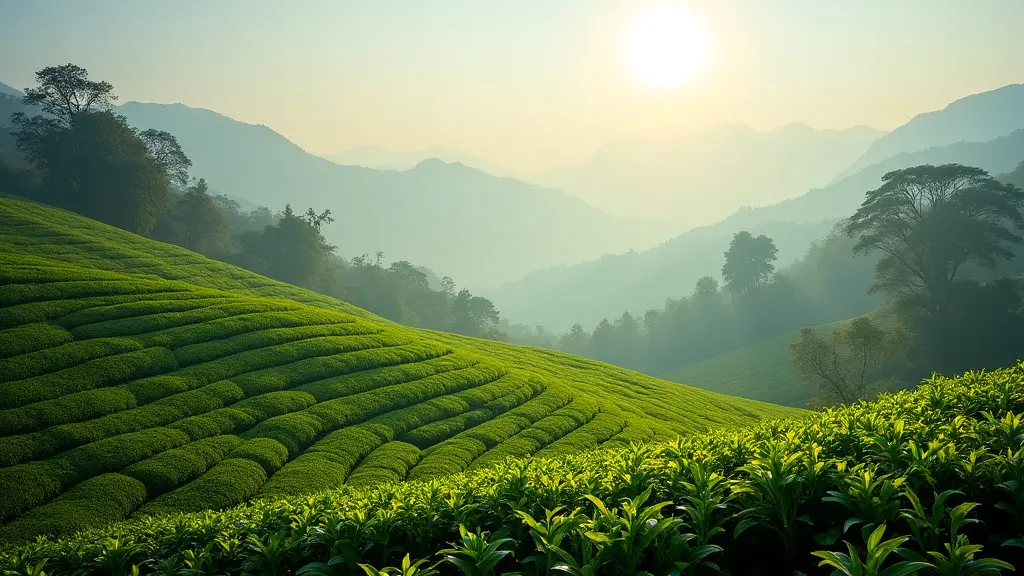
Picture this: you’re sipping a warm cup of tea, the gentle breeze rustling through the leaves, and the vibrant green hills stretching as far as the eye can see. Sounds dreamy, right? Well, that’s a typical day at a sylhet tea garden. I’m here to explore this region. You’ll gain a deeper appreciation for the tea-making process. You’ll also learn the key differences between the various types of tea produced. This will boost your Time on Page and reduce that pesky Bounce Rate by providing you with insightful information and a sensory journey.
Discovering the Enchanting World of Sylhet Tea Gardens
The sylhet tea garden isn’t just a place; it’s an experience. It’s a journey into the heart of tea production, a chance to connect with nature, and a lesson in the artistry of tea cultivation. From the moment you arrive, the scent of fresh tea leaves fills the air, and the rolling hills painted with emerald green create a breathtaking panorama. This landscape sets the stage for a truly remarkable adventure. The entire process from plucking the leaves to the final product involves many steps. Each one influences the final taste and aroma of your tea. The gardens are not just plantations; they’re ecosystems teeming with life and history.
The History of Tea in Sylhet
Tea cultivation in Sylhet began in the mid-19th century, with the first tea gardens established during British colonial rule. The climate and soil conditions proved ideal for tea plants, and the region quickly became a prominent tea-producing area. Early tea gardens were often vast estates, established by British planters who recognized the potential of the land. Over time, the industry evolved, with local entrepreneurs joining the fray. They brought their own perspectives and innovations to the art of tea making. This history is etched in the architecture of the tea bungalows and the traditions that continue to shape the region.
- Early Plantations: Initial tea gardens were extensive, often controlled by British enterprises, laying the foundation for the industry. They faced challenges such as sourcing labor and establishing infrastructure.
- The Rise of Local Entrepreneurs: Over time, local entrepreneurs started participating in the tea business. They brought new approaches and business models that diversified the industry.
- Impact of Colonial Rule: The British colonial rule significantly shaped the tea industry in Sylhet. It influenced the types of tea produced, the infrastructure developed, and the social dynamics in the gardens.
The Unique Climate and Soil
The success of the sylhet tea garden is tied to the unique combination of climate and soil. The region’s warm and humid climate, coupled with high rainfall, creates the perfect environment for tea plants to thrive. The soil, rich in nutrients, further enhances the growth and flavor of the tea. The area’s monsoon season is crucial. It provides the consistent moisture needed for tea bushes. This harmonious relationship between environment and cultivation results in the exceptional quality of tea that Sylhet is known for.
- Warm Temperatures: Consistent warmth is perfect for tea plants.
- High Rainfall: The abundance of rain keeps the plants hydrated.
- Rich Soil: The nutrient-rich soil provides all the components tea plants need.
The Art of Tea Production in Sylhet Tea Gardens
The journey from a fresh tea leaf to a cup of your favorite brew is a fascinating process. It involves several key steps. Each step plays a part in defining the final characteristics of the tea. In sylhet tea garden, the tea production is a mix of traditional methods and modern technologies, ensuring high-quality products. Each tea garden might use slightly different practices. However, the core steps remain consistent, reflecting the dedication and skill of the tea makers.
The Process of Tea Plucking
The initial step, tea plucking, is when the youngest, most tender leaves are picked. This usually happens in the early morning to capture the freshness. Skilled workers, often women, carefully pluck the top two leaves and a bud. These are considered to hold the most flavor. It is a labor-intensive process that demands precision. The plucking directly affects the tea’s quality. It also affects the final taste. The quality of the plucked leaves determines the overall aroma and flavor. This art of tea plucking has been passed down through generations. It is a critical part of the tea-making process.
- Timing is Everything: Early mornings are ideal for plucking.
- The Two Leaves and a Bud: The most flavorful parts of the plant.
- Skilled Labor: Plucking requires precision and experience.
Withering, Rolling, and Oxidation
After plucking, the tea leaves undergo a series of processes to get them ready for brewing. Withering involves spreading the leaves to remove moisture. This step makes the leaves pliable for the next stage, rolling. Rolling breaks the cells of the leaves. It releases enzymes that start the oxidation process. The oxidation determines the tea’s final color and flavor. The duration of this process varies. It influences the type of tea produced (green, black, oolong, etc.). These steps are critical. They help to create the tea’s final character. They also reflect the skills of the tea masters.
- Withering: Reducing moisture content.
- Rolling: Releasing enzymes.
- Oxidation: Influences the color and flavor.
Drying and Grading
The last stages of production are drying and grading. Drying stops the oxidation process and reduces moisture content. This step preserves the tea’s flavor and aroma. Next comes grading, where teas are sorted into different categories based on size and quality. This grading process is essential for creating consistent products. The grades affect both the tea’s appearance and how it brews. The final product is a result of expertise. It combines time-honored techniques with careful attention to detail.
- Drying: Halts oxidation and reduces moisture.
- Grading: Categorizes tea based on size and quality.
- Quality Control: Ensures consistency in flavor and appearance.
Types of Tea from Sylhet Tea Gardens
The sylhet tea garden is known for a variety of tea types. Each has its unique characteristics influenced by the processing methods. Different teas reflect the diversity of the region and the expertise of the tea makers. Each type offers a unique experience, from the light and refreshing green teas to the rich and robust black teas.
Black Tea
Black tea, the most common type, goes through a full oxidation process. This results in its dark color and strong flavor. It is often described as having notes of malt or cocoa. Black tea is a versatile beverage. It can be enjoyed plain, with milk, or with sweeteners. It’s a favorite in many cultures around the world. The rich, bold flavor makes it a perfect choice for those who love a hearty cup of tea.
- Full Oxidation: Gives black tea its dark color.
- Bold Flavor: Often described as malty or chocolatey.
- Versatile Use: Delicious on its own or with additions.
Green Tea
Green tea undergoes minimal oxidation. This helps to preserve its light color and fresh, grassy flavor. It’s packed with antioxidants. This makes it a popular choice for health-conscious consumers. Green tea is known for its refreshing taste and many health benefits. It offers a milder alternative to black tea. This makes it an ideal choice for those seeking a less intense tea experience.
- Minimal Oxidation: Preserves its light color.
- Fresh Flavor: Known for its grassy notes.
- Health Benefits: Packed with antioxidants.
Other Tea Varieties
In addition to black and green tea, the sylhet tea garden also produces other varieties, such as oolong and white tea. Oolong tea lies between green and black tea in oxidation levels. This results in a range of flavor profiles, from floral to roasted. White tea is the least processed of all teas. It is made from young tea buds. It has a delicate flavor. Each variety showcases the versatility and skill of the tea makers. It creates a diverse tea portfolio.
- Oolong Tea: Between green and black tea in oxidation.
- White Tea: The least processed type.
- Variety in Flavors: Ranges from floral to roasted.
Experiencing Sylhet Tea Gardens Firsthand
Visiting a sylhet tea garden is a unique experience. It gives you a chance to see the whole tea-making process. From walking among the tea bushes to tasting the tea. It creates an unforgettable experience. Visitors have the opportunity to engage with local communities. They also learn the cultural importance of tea. Planning a trip to a tea garden in Sylhet combines scenic beauty with cultural richness. It creates a memorable experience.
Planning Your Visit
To prepare your visit to a tea garden, think about the best time to go. The weather and harvesting season affect the experience. Consider booking accommodations in advance. Look for opportunities to take part in tea-tasting sessions and garden tours. These tours give you a detailed view of the tea-making process. They let you explore the gardens with experts. Planning ahead makes sure that your trip is smooth and enjoyable. It also allows you to make the most of your time in these amazing places.
- Check the Season: Visit during the harvest season for optimal views.
- Book in Advance: Secure accommodation and tours.
- Choose a Reputable Garden: Research and select a well-regarded tea garden.
Activities and Things to Do
When you visit a sylhet tea garden, there’s more than just the tea to discover. Engage in guided tours to learn about the history and cultivation process. Enjoy tea-tasting sessions to learn about different flavors. Go for walks through the gardens and capture the stunning scenery. Engage with local communities by staying in tea bungalows. These activities will help you to learn about the culture and natural beauty of the region. They will create a rich and immersive experience.
- Guided Tours: Learn about the tea-making process.
- Tea-Tasting Sessions: Explore different tea flavors.
- Explore the Scenery: Hike and take photos.
Respecting Local Culture and Environment
While exploring the tea gardens, it’s vital to show respect for local culture and protect the environment. Follow the rules and guidelines set by the gardens. Support sustainable tourism practices. Consider buying tea products directly from the gardens. This will benefit the local community. Being respectful makes your visit more rewarding. It also helps to preserve the natural beauty of the area for years to come. Your choices can help ensure that these remarkable places thrive for future generations.
Frequently Asked Questions
Question: When is the best time to visit Sylhet tea gardens?
Answer: The best time to visit is during the dry season, from November to March, to enjoy the best weather and harvest activities.
Question: How can I reach the Sylhet tea gardens?
Answer: You can reach Sylhet by air, train, or road. From Sylhet, you can hire a car or take a local bus to the tea gardens.
Question: Are there accommodations available near the gardens?
Answer: Yes, there are various accommodations, including tea bungalows, hotels, and guesthouses, offering different levels of comfort and price ranges.
Question: What should I wear when visiting the tea gardens?
Answer: Wear comfortable clothing and shoes suitable for walking. Bring a hat and sunglasses for sun protection.
Question: Can I purchase tea directly from the gardens?
Answer: Yes, most tea gardens have shops where you can purchase a variety of teas and tea-related products directly.
Final Thoughts
Exploring the sylhet tea garden is a memorable experience. It combines natural beauty with the rich history of tea production. From the first step to the final sip, it’s a celebration of nature, culture, and the artistry of tea. You’ve uncovered the history of tea making in the region. You’ve also seen how the local climate shapes the distinct flavors of the tea. Consider planning a visit to experience the magic of the tea gardens. Immerse yourself in the tranquility of the lush landscapes. Discover the unique flavors that make Sylhet tea a treasure. Embrace the opportunity to deepen your appreciation for this iconic beverage. Take a sip, and let the flavors take you on a journey.