
Remember that time your friend shared photos of breathtaking tea gardens and lush landscapes? You were instantly captivated, weren’t you? That’s the effect Sylhet of Bangladesh has on many. This region, often overlooked, holds a treasure trove of culture, beauty, and experiences. In this guide, you’ll learn everything you need to know to explore Sylhet of Bangladesh, from its stunning natural scenery to its rich history and delicious cuisine. Prepare to be inspired, and get ready to plan your own adventure. You’ll gain a thorough grasp of the area, learn practical tips for your visit, and discover why Sylhet is a truly special destination. Let’s explore!
Exploring the Natural Beauty of Sylhet
Sylhet, located in northeastern Bangladesh, is renowned for its vibrant green landscapes and diverse ecosystems. This region is a paradise for nature enthusiasts, offering stunning views and a chance to escape the hustle of city life. From the iconic tea gardens to the tranquil haors (wetlands), Sylhet presents an array of natural wonders. The area’s climate, with its heavy rainfall and humid conditions, contributes to its lush vegetation and unique biodiversity. The hills and valleys are home to a variety of flora and fauna, making it an ideal location for exploration and discovery. The region’s natural beauty has been a source of inspiration for many poets, writers, and artists, further enriching its cultural identity.
Tea Gardens and Rolling Hills
The tea gardens of Sylhet are perhaps the most iconic feature of the region. Vast expanses of emerald green tea plants stretch as far as the eye can see, creating a mesmerizing tapestry across the rolling hills. These gardens not only provide a picturesque backdrop but also play a significant role in the local economy. The tea produced here is known for its quality and flavor, enjoyed both locally and internationally. The landscape is perfect for photography, leisurely walks, and simply taking in the serenity of the environment. Visiting a tea garden is a must-do activity for anyone exploring Sylhet, offering a unique glimpse into the region’s agricultural heritage.
- Lush Greenery: The vibrant green of the tea leaves contrasts beautifully with the blue sky. The rolling hills create a sense of depth and perspective.
- Tea Production: Witness the process of tea making, from plucking the leaves to processing and packaging. Learn about the different types of tea grown in Sylhet.
- Photography Opportunities: Capture stunning photographs of the landscape, the workers, and the tea plants. The light and shadows create dramatic effects throughout the day.
- Scenic Viewpoints: Many tea gardens offer viewpoints that provide panoramic views of the entire area. These spots are perfect for relaxing and taking in the beauty of Sylhet.
- Cultural Experience: Interact with the local workers and learn about their lives and the history of tea cultivation in the region.
The tea gardens’ visual appeal is undeniable. The rolling hills, covered in lush tea plants, create a visual feast. Imagine standing amidst these gardens, the air filled with the fresh scent of tea. The rhythmic movements of the tea pickers, the vibrant green of the leaves, and the distant hills form a captivating scene. Visitors often comment on the sense of peace and tranquility they feel while walking through these gardens. It’s an experience that refreshes the soul and connects you with nature.
The Haors: Wetlands of Sylhet
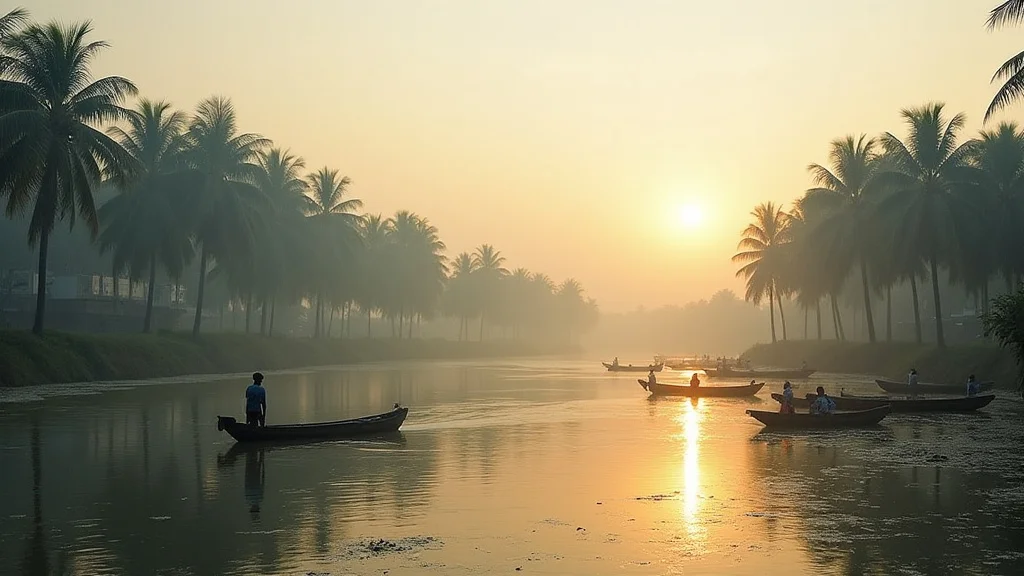
The haors are another significant natural feature of Sylhet. These vast wetlands, often described as inland seas, are a haven for biodiversity. During the monsoon season, the haors expand, creating a breathtaking expanse of water, perfect for boat rides and exploring the local aquatic life. In the dry season, the water recedes, revealing lush green fields ideal for grazing and agriculture. The haors are home to a variety of fish species, migratory birds, and other wildlife. They also support local communities who depend on fishing and agriculture. Exploring the haors offers a unique perspective on the ecosystem and lifestyle of Sylhet.
- Boat Tours: Experience the vastness of the haors by taking a boat ride, allowing you to appreciate the scenery and observe the wildlife.
- Bird Watching: The haors are a significant habitat for migratory birds. Bring binoculars to observe various species.
- Fishing: Fishing is a major economic activity in the haors, and you might get to witness or participate in this traditional practice.
- Local Villages: Visit the villages around the haors to see how the local community has adapted to the seasonal changes in water levels.
- Unique Landscapes: The haors are home to diverse flora and fauna, creating a unique and diverse ecosystem that is a treasure.
The haors of Sylhet offer a striking contrast to the tea gardens. These expansive wetlands showcase the region’s diverse ecosystems. Picture yourself on a boat, gliding across the water, the horizon stretching as far as you can see. The seasonal changes, from the flooded landscapes of the monsoon to the green fields of the dry season, make the haors a dynamic and ever-changing environment. This area provides an important habitat for wildlife. It also shows the resilience of the local communities who depend on this natural resource.
Delving into Sylhet’s Rich History and Culture
The history and culture of Sylhet are as diverse and captivating as its landscapes. The region’s story is woven with threads of ancient kingdoms, religious influences, and the impact of the British colonial era. The culture, shaped by these historical forces, is evident in its traditions, architecture, and the warm hospitality of its people. Exploring the cultural heritage of Sylhet allows you to gain a deeper understanding of its identity and appreciate the unique blend of influences that have shaped the region. The cultural richness is particularly felt in its music, dance, and cuisine.
Historical Landmarks
Sylhet boasts a wealth of historical landmarks that offer a glimpse into its past. These sites, from ancient mosques to colonial-era buildings, are a testament to the region’s rich history. Many of these landmarks reflect the influence of the Mughal Empire and the British colonial period. Exploring these structures allows you to experience the evolution of the city and region across centuries. Visiting these historical sites is crucial for understanding the story of Sylhet and its place in the history of Bangladesh. They are also a great way to appreciate the architectural beauty and artistry of different eras.
- Shahjalal’s Shrine: The Shrine of Shah Jalal, a Sufi saint, is a revered site attracting devotees from all over Bangladesh. It reflects Islamic influence on the region.
- Osmani Udyan: This historic park, named after General M.A.G. Osmani, offers a place for recreation, with many historic monuments.
- Malnicher Tea Estate: Witnessing the architecture from the British era is a must see in Sylhet.
- The Ali Amjad Clock Tower: Built during the British colonial period, this iconic clock tower remains a significant landmark in the city of Sylhet.
- The Govinda Temple: This historic temple provides insight into the region’s Hindu heritage. It’s a key example of historical religious structures.
The historical landmarks of Sylhet tell a story of cultural shifts, religious influences, and colonial rule. Imagine standing before the Shrine of Shah Jalal, feeling the weight of centuries of devotion, and observing the architectural details. Walking through Osmani Udyan, you’ll be transported back in time, surrounded by the echoes of historical events. These landmarks are more than just buildings; they’re doorways into the past. Exploring these sites not only enriches your experience but also provides insight into the values and beliefs of the people of Sylhet.
Local Traditions and Customs
The traditions and customs of Sylhet are a reflection of its rich cultural heritage. These practices, passed down through generations, play a significant role in the lives of the people. From the vibrant celebrations of festivals to the everyday rituals of life, the traditions of Sylhet are unique. These customs demonstrate the region’s strong community spirit and its respect for its cultural legacy. Interacting with the local people and observing their traditions offer an immersive cultural experience, allowing you to connect on a deeper level. Attending local events and festivities will reveal the true character of Sylhet.
- Eid Celebrations: Witness the vibrant celebrations of Eid-ul-Fitr and Eid-ul-Adha, marked by prayer, feasting, and community gatherings.
- Wedding Ceremonies: Experience the elaborate and colorful wedding ceremonies. The events include music, dance, and traditional rituals.
- Folk Music and Dance: Attend performances of local folk music and dance. The artforms often tell stories of everyday life and local history.
- Community Festivals: Participate in local festivals that celebrate harvests, cultural events, or religious occasions.
- Traditional Clothing: Observe and perhaps try on traditional clothing, such as the colorful saris worn by women and the lungis worn by men.
The traditions of Sylhet create a tapestry of colors, sounds, and experiences. Think of attending a wedding and seeing the joy on the faces of the families. Picture yourself listening to the melodies of local folk music, the rhythmic beats and expressive lyrics. Participating in a local festival offers a window into the daily lives of the people, where you can sample regional food and join in with the festivities. These encounters make your journey more than a mere visit; they transform it into a meaningful cultural exchange.
Gastronomic Delights: Exploring Sylhet Cuisine
The cuisine of Sylhet is as rich and diverse as its culture, offering a delightful culinary experience for food lovers. With a blend of flavors, aromatic spices, and fresh ingredients, the dishes of Sylhet stand out. The food in Sylhet reflects the region’s history, with influences from various cultures that have come together. From delicious curries to sweet treats, the food scene is an important aspect of the Sylhet experience. Sampling local delicacies will add a flavor to your trip.
Signature Dishes and Flavors
Sylhet’s signature dishes are a testament to the region’s culinary creativity. The use of local ingredients and traditional cooking methods produces unique flavors that tantalize the taste buds. Sylheti cuisine is known for its richness, spiciness, and the use of fresh herbs and spices. From the savory curries to the delicate sweets, each dish tells a story of the region’s culinary heritage. Trying these local foods is a must for any food enthusiast visiting Sylhet. It allows you to fully experience the area’s rich culinary tradition.
- Shatkora Dishes: Shatkora, a citrus fruit, is a popular ingredient in many dishes, giving them a unique tangy flavor.
- Biryani: Sylheti Biryani, often made with aromatic rice, tender meat, and flavorful spices, is a popular dish.
- Fish Curries: Sylhet’s fish curries, prepared with a variety of local fish and spices, are a must-try.
- Sweet Treats: Try the local sweets, such as rasmalai and shondesh, offering a sweet ending to your meal.
- Spices and Herbs: Sylheti cuisine uses a rich blend of spices and fresh herbs, such as ginger, garlic, turmeric, and coriander.
The signature dishes of Sylhet transport you on a flavor journey. Imagine savoring a plate of Shatkora, with its complex flavors. Imagine the aroma of Biryani, the tender meat melting in your mouth. The combination of spices and herbs creates a symphony of flavors that will leave a lasting impression. Every bite tells a story, a blend of tradition, culture, and love. The cuisine of Sylhet is more than just food. It’s an immersive experience that satisfies your taste buds and connects you to the region’s heart.
Exploring Local Markets and Food Stalls
Exploring the local markets and food stalls of Sylhet is an immersive culinary adventure. These bustling hubs offer a glimpse into the everyday life of the people. From fresh produce and spices to cooked dishes and snacks, the markets showcase the region’s culinary wealth. The energy, the sights, and the smells of these markets create a captivating experience. Sampling the local snacks and interacting with vendors is a great way to experience the culinary traditions of Sylhet. This also allows you to interact with locals.
- Fresh Produce: Explore markets to find fresh fruits, vegetables, and herbs that reflect the region’s agricultural abundance.
- Spice Shops: Browse the spice shops, where you’ll find a range of spices that are essential in Sylheti cuisine.
- Food Stalls: Sample local street food, from savory snacks to sweet treats.
- Local Snacks: Sample various snacks, like samosas, and other fried snacks.
- Culinary Heritage: Observe traditional cooking methods and the ingredients used to prepare Sylheti dishes.
The local markets and food stalls give you a real sense of the culinary heart of Sylhet. Imagine yourself walking through the bustling market, filled with the aroma of spices and fresh food. Imagine the sounds of vendors calling out to customers, the vibrant colors of the produce, and the happy faces of people enjoying the local foods. Tasting the delicious treats offers an immediate cultural exchange. The markets and food stalls provide an amazing opportunity to immerse yourself in the culinary world.
Practical Information for Visiting Sylhet
Planning a trip to Sylhet requires some practical considerations to ensure a smooth and enjoyable experience. From transportation and accommodation to understanding the local customs and safety guidelines, this information is important. With a little preparation, you can confidently explore Sylhet, knowing that you’re well-equipped to navigate the region. This detailed guide ensures you have all the tools needed for an adventure in Sylhet, letting you focus on the amazing experiences ahead.
Transportation and Accommodation
Getting to and around Sylhet is a combination of options. Depending on your origin and personal preferences, you can use various transport modes. From flying into the local airport to using buses and trains, you have flexibility. Similarly, the region offers many options for accommodation, suiting different budgets. You can easily find a place to stay, from luxurious hotels to budget-friendly guesthouses. Making the right choices will enhance your experience, helping you feel comfortable and secure.
- Air Travel: Sylhet Osmani International Airport is a major airport. Many international flights arrive.
- Trains: Trains are a great way to travel. The journey allows you to enjoy the scenery.
- Local Transportation: Auto-rickshaws and taxis are available for local transportation within the city.
- Hotels and Guesthouses: Sylhet provides a range of accommodation. Choose from luxury hotels to guesthouses.
- Booking in Advance: During peak season, it’s best to book your flight and place to stay.
Planning your transport and accommodation is a crucial step for a trip to Sylhet. If arriving by air, think of the ease of landing at the airport and finding reliable transportation to your lodging. If you like scenic journeys, trains offer a great experience. Research the many lodging choices to choose a place that suits your needs. Booking in advance can save you time and ensure you have a comfortable stay. Taking care of these details will reduce stress. It also provides the foundation for an unforgettable trip.
Safety and Etiquette Tips
Ensuring your safety and being aware of local etiquette will enrich your experience in Sylhet. The region is generally safe for travelers, but being vigilant is essential. The local customs and traditions are very important and are based on hospitality. Familiarizing yourself with these customs will let you show respect for the local people. Following these tips ensures a safe, respectful, and enriching adventure. It helps to ensure you make the most of your time in Sylhet.
- Personal Safety: Always be aware of your surroundings, especially in crowded areas.
- Respectful Attire: Dress modestly, particularly when visiting religious sites.
- Bargaining: Bargaining is common in local markets. Be polite when negotiating prices.
- Photography: Ask for permission before taking photos of people.
- Learn Basic Phrases: Knowing some basic phrases in Bangla can enhance your interactions with locals.
When traveling, your safety and respecting local customs are important. Imagine navigating the streets of Sylhet, secure in knowing how to protect yourself. Being mindful of your attire allows you to respect local values. Your politeness, such as when bargaining in local markets, allows you to interact with the locals. Respect for photography ensures your respect for local people. Learning a few basic Bangla phrases enables you to create memorable connections. These simple actions ensure a positive and enriching journey.
Frequently Asked Questions
Question: What is the best time to visit Sylhet?
Answer: The best time to visit Sylhet is during the winter months (October to March) when the weather is mild and pleasant.
Question: Are there any specific cultural customs I should be aware of?
Answer: It’s important to dress modestly, especially when visiting religious sites, and to remove your shoes before entering mosques or shrines. Always ask for permission before taking photographs of people.
Question: What is the most popular food to try in Sylhet?
Answer: Shatkora dishes and Sylheti Biryani are some of the most popular dishes to try in Sylhet.
Question: How can I get around Sylhet?
Answer: You can use a mix of transport, including auto-rickshaws, taxis, and local buses.
Question: Is Sylhet safe for tourists?
Answer: Yes, Sylhet is generally safe for tourists. But it’s crucial to be aware of your surroundings and take standard safety precautions.
Final Thoughts
Exploring the vibrant region of Sylhet of Bangladesh is an invitation to discover a treasure of natural beauty, rich culture, and delicious cuisine. From the rolling hills of the tea gardens to the expansive haors, the landscape is captivating. Its historical landmarks reveal a rich past. The lively markets and mouthwatering flavors provide a genuine taste of the region. Planning your visit involves considering transport, safety, and respect for the local customs. Embrace the warmth of the people, discover the history, and experience the flavors of Sylhet. Allow the spirit of Sylhet to inspire your travels, creating a memorable experience. Venture out and explore the wonderful Sylhet of Bangladesh – a place sure to stay in your heart.